

Recently Rated:
Category: Packaging
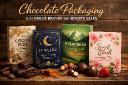
Introduction: The Power of Chocolate Packaging in Buying Decisions
Chocolate is one of the most emotionally driven products in the global food market. People buy chocolate to celebrate, to gift, to reward themselves, or to express appreciation. While taste matters, the buying decision almost always begins with chocolate packaging . Before a customer experiences flavor, aroma, or texture, they experience the packaging visually and physically.
In competitive retail environments and digital marketplaces, packaging is often the deciding factor. A thoughtfully designed chocolate box can instantly convey luxury, sustainability, or indulgence. On the other hand, weak or generic packaging can diminish even the highest-quality chocolate. This is why brands that treat packaging as a strategic asset—rather than an afterthought—consistently outperform competitors.
In this in-depth guide, we explore everything that makes chocolate packaging effective: materials, structure, design psychology, sustainability, customization, and emerging trends. You’ll also discover how Packaging Heights helps chocolate brands create packaging that not only protects products but also builds trust, enhances brand value, and drives sales.
What Is Chocolate Packaging and Why Is It So Important?
Chocolate packaging is the combination of materials, design, structure, and branding elements used to enclose, protect, and present chocolate products. It plays a critical role across the entire product journey—from manufacturing and shipping to retail display and final consumption.
At a functional level, packaging protects chocolate from external factors such as heat, moisture, oxygen, and physical damage. Chocolate is particularly sensitive to temperature changes, which can cause melting, blooming, or texture loss. Effective packaging ensures product integrity until it reaches the consumer.
At a branding level, chocolate packaging communicates quality, personality, and values. Packaging instantly signals whether a product is premium, artisan, mass-market, or eco-conscious. Companies like Packaging Heights design chocolate packaging systems that balance protection, compliance, and brand storytelling in one cohesive solution.
The Psychology Behind Chocolate Packaging
Chocolate packaging strongly influences consumer psychology. Colors, textures, shapes, and finishes all trigger emotional responses that affect purchasing behavior.
Dark tones such as brown, black, and deep red often communicate richness and indulgence. Gold and metallic accents signal luxury and exclusivity. Minimalist packaging with neutral tones may appeal to health-conscious or sustainability-focused buyers.
Texture also plays a major role. Soft-touch coatings, embossed logos, and rigid structures enhance perceived value. When customers physically interact with premium packaging, they subconsciously associate the chocolate with higher quality.
This psychological impact is why brands partner with experts like Packaging Heights , who understand how design choices translate into emotional engagement and stronger conversions.
Primary, Secondary, and Tertiary Chocolate Packaging Explained
Primary Chocolate Packaging
Primary packaging directly touches the chocolate and focuses on preservation and safety. Common materials include:
- Aluminum foil
- Wax paper
- Food-grade biodegradable films
This layer protects against moisture, light, and air while maintaining flavor and freshness.
Secondary Chocolate Packaging
Secondary packaging is the outer layer customers see first. It includes boxes, sleeves, cartons, and wraps. This layer is responsible for branding, messaging, and shelf appeal.
Secondary packaging is where Packaging Heights helps brands stand out through custom structures, premium finishes, and high-quality printing.
Tertiary Packaging
Tertiary packaging is used for shipping and logistics. While not consumer-facing, it ensures chocolates arrive safely during bulk transportation and e-commerce delivery.
Chocolate Packaging Materials: Pros and Cons
Paperboard and Cardboard
Paperboard is one of the most popular chocolate packaging materials due to its versatility and affordability. It allows for excellent print quality and is widely recyclable.
Benefits include:
- Cost efficiency
- Customizability
- Eco-friendly appeal
Rigid Boxes
Rigid boxes are commonly used for luxury and gifting chocolates. They offer superior protection and a premium unboxing experience but come at a higher cost.
Aluminum Foil
Foil is ideal for inner wrapping due to its barrier properties. It prevents oxidation and moisture penetration, preserving chocolate quality.
Plastic and Molded Trays
Plastic trays help hold chocolates in place and prevent breakage. However, many brands are transitioning to recyclable or compostable alternatives.
Sustainable Materials
Sustainability is no longer optional. Kraft paper, recycled board, and compostable films are increasingly favored. According to the Sustainable Packaging Coalition , eco-friendly packaging significantly improves brand trust and customer loyalty.
Chocolate Packaging Design: What Makes It Successful
Brand Consistency
Consistent colors, fonts, and logos help customers recognize your brand instantly. Strong branding across all packaging formats builds long-term loyalty.
Clarity and Compliance
Packaging must clearly display ingredients, allergens, nutritional facts, and expiration dates. Clear communication builds trust and reduces customer hesitation.
Structural Functionality
Good design is not just visual—it must protect the product, stack efficiently, and open easily. Packaging Heights focuses on structural engineering as much as aesthetics.
Sleeve Style Boxes
Sleeve boxes are one of the most commonly used and versatile packaging styles for chocolate products, especially in retail and premium markets. Custom sleeve boxes typically consist of an inner tray or box that holds the chocolate securely, wrapped with an outer printed sleeve that slides over it. This design offers excellent protection while allowing brands to showcase high-quality graphics, colors, and messaging on the sleeve without overcomplicating the structure. Sleeve boxes are popular for chocolate bars, assortments, and gift sets because they provide a clean, modern look and a smooth unboxing experience. They are also cost-effective compared to rigid boxes, lightweight for shipping, and easy to customize in terms of size, material, and finish. For brands working with Packaging Heights , sleeve-style chocolate packaging is an ideal solution to balance visual appeal, functionality, and branding while maintaining strong shelf presence and consumer appeal.
Luxury Chocolate Packaging: Elevating Perceived Value
Luxury chocolate packaging is designed to create an experience rather than simply contain a product. It uses premium materials, refined finishes, and thoughtful details to evoke exclusivity.
Features often include:
- Magnetic closures
- Custom inserts
- Foil stamping and embossing
- Soft-touch lamination
Luxury packaging is especially effective for corporate gifting, holidays, and special editions. Brands that invest in premium packaging often command higher price points and stronger customer loyalty.
Sustainable Chocolate Packaging: Meeting Modern Expectations
Consumers are increasingly aware of environmental impact. Sustainable chocolate packaging appeals to eco-conscious buyers and strengthens brand credibility.
Sustainable strategies include:
- Reducing excess packaging
- Using recycled materials
- Offering biodegradable or compostable options
Organizations like the Ellen MacArthur Foundation emphasize the importance of circular packaging systems to reduce waste and environmental harm.
Packaging Heights helps brands adopt sustainable packaging without sacrificing design or performance.
Custom Chocolate Packaging: Standing Out in a Crowded Market
Custom packaging allows chocolate brands to differentiate themselves in saturated markets. Customization options include size, shape, material, printing, and finishes.
Benefits of custom chocolate packaging:
- Stronger brand identity
- Higher perceived value
- Better shelf visibility
- Increased customer retention
Custom solutions from Packaging Heights are tailored to brand goals, target audiences, and budget requirements.
Chocolate Packaging for Retail, Gifting, and E-Commerce
Retail Packaging
Retail packaging must attract attention quickly while remaining durable and cost-effective. Shelf impact and clarity are key.
Gift Packaging
Gift packaging focuses on emotional appeal. Decorative boxes, ribbons, and premium finishes enhance presentation.
E-Commerce Packaging
E-commerce packaging prioritizes protection and temperature control. Insulated layers and compact designs reduce damage during shipping.
Latest Trends in Chocolate Packaging
Current trends shaping the chocolate packaging industry include:
- Minimalist branding
- Earth-toned color palettes
- Story-driven packaging
- QR codes for traceability
- Smart packaging features
Brands that adopt trends thoughtfully—without losing authenticity—gain a competitive edge.
FAQ: Chocolate Packaging
What is the best packaging for chocolate?
The best packaging combines protective inner layers with branded outer packaging, often using foil and cardboard together.
Why is chocolate packaging important for sales?
Packaging influences first impressions, perceived value, and emotional connection, all of which impact purchasing decisions.
Is sustainable chocolate packaging affordable?
Yes. While initial costs may be slightly higher, long-term brand loyalty and reduced waste often offset expenses.
Can chocolate packaging be fully customized?
Absolutely. Size, material, design, and finishes can all be customized to fit brand needs.
Conclusion: Chocolate Packaging as a Growth Strategy
Chocolate packaging is not just a protective layer—it is a powerful marketing and branding tool. From influencing purchasing decisions to reinforcing brand values, packaging plays a vital role in business success.
By investing in the right materials, thoughtful design, and sustainable practices, chocolate brands can create packaging that resonates with modern consumers. With expert solutions from Packaging Heights , brands can transform chocolate packaging into a competitive advantage that drives trust, loyalty, and long-term growth.
Looking to upgrade your chocolate packaging? Partner with Packaging Heights to create custom, high-impact packaging that protects your product and elevates your brand.
Chocolate Packaging: Complete Guide to Design, Materials, Branding, and Sustainability
By james_here, 2026-01-06
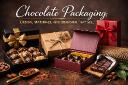
Introduction: The Power of Chocolate Packaging in Today’s Market
Chocolate is one of the most emotionally driven products in the global food industry. People don’t just buy chocolate for hunger; they buy it for joy, gifting, celebration, comfort, and luxury. In such a competitive and emotionally charged market, chocolate packaging plays a decisive role in influencing customer behavior. Before anyone tastes the chocolate, they experience the packaging — visually, tactically, and emotionally.
Modern consumers are exposed to hundreds of chocolate brands across supermarkets, boutique stores, and online platforms. This intense competition means that packaging is no longer just about protection; it is a strategic marketing tool. From color choices and materials to sustainability messaging and unboxing experience, chocolate packaging directly impacts brand perception, trust, and purchase decisions.
In this in-depth guide, you’ll learn everything you need to know about chocolate packaging — from materials and structural design to branding strategies, sustainability trends, and customization options. Whether you are a startup chocolatier or an established brand, this guide will help you create packaging that not only protects your product but also sells it.
What Is Chocolate Packaging?
Chocolate packaging refers to the complete system of materials, structure, and design used to protect, present, and promote chocolate products. It serves multiple purposes across the product lifecycle, including manufacturing, transportation, retail display, and consumption. At its core, chocolate packaging must protect the product from heat, moisture, light, and contamination. Chocolate is highly sensitive to temperature and humidity, which makes proper packaging essential for preserving its texture, flavor, and visual appeal. Beyond protection, packaging communicates essential information such as ingredients, nutritional values, allergens, and expiration dates to ensure transparency and consumer trust. Most importantly, chocolate packaging acts as a silent salesperson—it tells the brand story, reflects quality, and creates emotional appeal. Premium packaging often signals luxury and craftsmanship, while minimalist designs may suggest sustainability or modern values. Blue Box Packaging specializes in delivering high-quality chocolate packaging solutions that combine protection, aesthetics, and branding, helping chocolate brands stand out in competitive retail and gifting markets.
Why Chocolate Packaging Is So Important
Chocolate packaging influences nearly every stage of the buying journey. Its importance goes far beyond aesthetics.
First, packaging ensures product safety and freshness . Poor packaging can result in melting, blooming, or contamination, leading to customer dissatisfaction and returns.
Second, packaging directly affects brand recognition . Consistent colors, typography, and structural design help customers instantly recognize your brand among competitors.
Third, packaging impacts purchasing decisions . Studies show that consumers often choose chocolate based on packaging appeal when price and flavor are similar.
Finally, packaging supports marketing and compliance . It provides space for storytelling, certifications, sustainability claims, and legally required information.
Types of Chocolate Packaging Explained
Chocolate packaging is typically divided into three main categories, each serving a specific function.
Primary Chocolate Packaging
Primary packaging is the layer that comes into direct contact with the chocolate. This layer is critical for food safety and freshness preservation. Common primary packaging materials include aluminum foil, wax paper, parchment paper, and food-grade biodegradable films.
This layer protects chocolate from moisture, oxygen, and odors while maintaining its original taste and texture. Many brands combine foil with paper to balance protection and branding.
Secondary Chocolate Packaging
Secondary packaging is the outer layer that groups and presents chocolates for retail or gifting. This is where branding, design, and visual appeal play the biggest role.
Examples of secondary chocolate packaging include folding cartons, chocolate boxes, sleeves, and paper wraps. This layer is often printed with brand logos, colors, product descriptions, and marketing messages.
Tertiary Packaging
Tertiary packaging is used for bulk handling, shipping, and storage. While consumers rarely see it, this layer is essential for protecting products during transportation.
Common examples include corrugated boxes, shipping cartons, and protective inserts designed for e-commerce fulfillment.
Chocolate Packaging Materials: Choosing the Right Option
Selecting the right packaging material is one of the most important decisions for any chocolate brand. The choice affects cost, sustainability, durability, and customer perception.
Cardboard and Paperboard
Cardboard and paperboard are among the most popular materials for chocolate packaging. They are lightweight, cost-effective, and highly customizable. These materials are easy to print on, allowing for vibrant colors, detailed graphics, and premium finishes.
They are also recyclable, making them a preferred choice for brands focused on sustainability.
Aluminum Foil
Aluminum foil is widely used as inner wrapping for chocolates. It provides an excellent barrier against light, moisture, and oxygen, which helps preserve freshness. Foil is often paired with paper or cardboard for branding purposes.
Plastic Packaging
Plastic trays and wraps offer strong protection and structural stability, especially for molded chocolates. However, due to environmental concerns, many brands are shifting away from traditional plastics toward recyclable or compostable alternatives.
Rigid Boxes
Rigid boxes are commonly used for luxury and gift chocolates. They offer a premium feel, excellent protection, and high perceived value. Although more expensive, rigid boxes are ideal for high-end markets and special occasions.
Sustainable and Eco-Friendly Materials
Sustainable chocolate packaging is increasingly in demand. Popular eco-friendly materials include kraft paper, recycled cardboard, compostable films, and plant-based plastics.
According to the Sustainable Packaging Coalition , consumers are more likely to trust brands that invest in environmentally responsible packaging.
Chocolate Packaging Design: What Makes It Effective
Design is one of the most powerful elements of chocolate packaging. An effective design balances aesthetics, functionality, and brand identity.
Visual Appeal and Branding
Strong visual appeal helps your chocolate stand out on crowded shelves. Effective chocolate packaging design includes consistent brand colors, clear logo placement, and high-quality graphics.
Luxury brands often use minimalist designs with premium finishes such as embossing, foil stamping, or matte coatings to signal quality and exclusivity.
Typography and Content
Typography should be easy to read while reflecting the brand’s personality. Packaging must clearly display product names, flavors, ingredients, and allergen information.
Storytelling elements, such as cocoa origin, ethical sourcing, or brand heritage, help create emotional connections with customers.
Structural and Functional Design
Good chocolate packaging design is not only beautiful but also practical. It should protect chocolates from damage, be easy to open and reseal, and enhance the unboxing experience.
Sustainable Chocolate Packaging: A Key Market Driver
Sustainability is no longer a trend — it’s an expectation. Consumers increasingly look for chocolate brands that align with their environmental values.
Sustainable chocolate packaging reduces waste, lowers carbon footprint, and builds long-term brand trust. Brands adopting eco-friendly practices often gain a competitive advantage.
Sustainable Packaging Strategies
- Reducing packaging material
- Using recyclable or compostable materials
- Avoiding unnecessary plastic
- Printing with soy-based or water-based inks
- Designing reusable packaging
According to the Ellen MacArthur Foundation , sustainable packaging supports circular economy principles and improves brand loyalty.
Chocolate Packaging for Different Markets
Retail Chocolate Packaging
Retail packaging must attract attention quickly while remaining cost-efficient. Shelf visibility, durability, and compliance labeling are critical factors.
Gift Chocolate Packaging
Gift packaging focuses on emotional appeal and presentation. Rigid boxes, magnetic closures, custom inserts, and premium finishes are commonly used to elevate perceived value.
E-commerce Chocolate Packaging
Online chocolate packaging must protect products during shipping while minimizing cost. Heat resistance, shock protection, and compact design are essential.
Premium Chocolate Boxes
Luxury boxes used for chocolates are designed to do more than just hold a product—they create an experience that reflects elegance, quality, and exclusivity. These boxes are typically made from premium materials such as rigid cardboard, specialty paper, or textured finishes that offer durability and a high-end feel. Design elements like foil stamping, embossing, debossing, magnetic closures, and soft-touch laminations enhance the visual and tactile appeal, making the chocolates feel more valuable before the box is even opened. Luxury boxes are commonly used for gifting, special occasions, and premium retail displays because they evoke emotion and sophistication. By combining refined aesthetics with strong protection, luxury chocolate packaging helps brands communicate craftsmanship, justify premium pricing, and leave a lasting impression on customers.
Custom Chocolate Packaging: Building a Strong Brand Identity
Custom chocolate packaging allows brands to stand out in a crowded marketplace. Customization enables unique designs, tailored box sizes, and finishes that align with brand identity.
Benefits of custom chocolate packaging include increased brand recognition, stronger emotional connections, and higher perceived value.
Customization options include box shape, printing techniques, inserts, finishes, and closure styles.
Chocolate Packaging Trends Shaping the Industry
The chocolate packaging industry continues to evolve with changing consumer preferences. Current trends include minimalist design, sustainable materials, bold typography, storytelling elements, and smart packaging features like QR codes.
Brands that adapt to these trends while staying authentic are more likely to succeed in competitive markets.
FAQs
What is the best packaging material for chocolate?
The best material depends on your product type and market. A combination of foil for protection and cardboard for branding is widely used.
Why is chocolate packaging important for branding?
Packaging is often the first interaction customers have with your brand. It communicates quality, values, and positioning.
Is sustainable chocolate packaging expensive?
While initial costs may be higher, sustainable packaging often leads to long-term savings and stronger customer loyalty.
Can chocolate packaging be fully customized?
Yes, brands can customize materials, size, design, finishes, and structure to match their identity.
Conclusion: Chocolate Packaging as a Strategic Investment
Chocolate packaging is far more than a protective layer — it is a strategic investment in your brand’s success. From protecting delicate products to influencing purchasing decisions and building trust, packaging plays a central role in the chocolate industry.
By choosing the right materials, investing in thoughtful design, and embracing sustainability, brands can create packaging that resonates with customers and stands out in a crowded market.
Ready to elevate your chocolate brand? Explore premium and custom chocolate packaging solutions with Blue Box Packaging and turn every chocolate into a memorable experience.