
Blogs
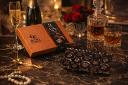
Mother’s Day is a beautiful time to say thank you to your mom for everything she does. She takes care of the family, supports you, and always stands by your side. On this special day, a small and thoughtful gift can make her feel loved and appreciated. Chocolate is one of the best gifts you can choose. It is simple, sweet, and always brings happiness.
Why Chocolate Is Always a Good Choice
Chocolate is loved by people of all ages. It has a rich taste and comes in many flavors. You can find something for every type of person. Some people like dark chocolate, while others enjoy milk or white chocolate. Chocolate is also easy to gift. It looks nice, feels special, and can match any budget. That is why it is a popular choice for Mother’s Day.
Classic Chocolate Gift Boxes
Chocolate gift boxes are one of the easiest and most loved gift options. These boxes come in many sizes and styles. Some have a mix of different flavors, while others focus on one type of chocolate. They are packed beautifully and look very elegant. When your mom opens a chocolate box, it feels like a small celebration. If you are searching for Mother’s Day Chocolate Gifts , a classic gift box is always a safe and lovely choice.
Personalized Chocolate Gifts
If you want to make your gift more special, you can go for personalized chocolates. These gifts allow you to add a name or a small message. You can write something like “Best Mom” or “Love You Mom.” This makes the gift more meaningful. It shows that you have taken extra time to think about her. Personalized chocolates are simple, but they leave a strong emotional impact.
Chocolate Combos for Extra Joy
Chocolate can even be paired with other gifts to create a complete surprise. You can combine chocolates with flowers, greeting cards, or small gifts. These combos look attractive and feel more exciting. Many online stores offer ready-made gift sets that save time and effort. While looking at Mother’s Day Chocolate Gifts , combo packs are a fun way to add more happiness to your gift.
Handmade Chocolate Treats
Handmade chocolates are a great option if you want something unique. These chocolates are made with care and often include special ingredients. You may find flavors like nuts, fruits, or caramel. Handmade chocolates feel more personal and thoughtful. They are perfect if your mom enjoys trying something new and different.
Healthy Chocolate Options
Not all chocolates have to be very sweet. There are also healthier options available. Dark chocolate is a good choice for those who like a rich taste. It often has less sugar and can be enjoyed in small amounts. You can also find sugar-free chocolates or chocolates made with natural ingredients. These options are great if your mom prefers a healthier lifestyle.
Chocolate Hampers for a Big Surprise
If you want to give a bigger gift, a chocolate hamper is a wonderful idea. Hampers include a mix of different chocolates packed in a beautiful basket or box. They look rich and impressive. Some hampers also include snacks, cookies, or small extras. This type of gift feels grand and is perfect if you want to make Mother’s Day extra special.
Simple Tips to Choose the Right Gift
Choosing the right chocolate gift can be easy if you keep a few things in mind. First, think about your mom’s taste. Does she like sweet chocolate or something less sugary? Next, look at the packaging. A nicely packed gift always feels more impressive. Also, make sure to order your gift on time so that it reaches her without any delay. Planning ahead can help you avoid last-minute stress.
Make Your Gift More Meaningful
A chocolate gift becomes even more special when you add a personal touch. You can write a small note or spend quality time with your mom. Sit with her, talk, and enjoy the chocolates together. These simple moments are very valuable. Your love and time matter more than the gift itself.
Final Thoughts
Chocolate is a simple yet powerful way to express love. It is sweet, thoughtful, and perfect for any celebration. On Mother’s Day, it helps you show your feelings in a warm and caring way. Whether you choose a gift box, a combo, or a hamper, your mom will surely appreciate it. If you are looking for beautiful and thoughtful options, Chocolate Emporium offers a wide range of choices to help you find the perfect gift and make your mom feel truly special.
The Secret to Better Desserts: Choosing the Right Chocolate for Baking
By Chocolateemporium, 2026-04-20
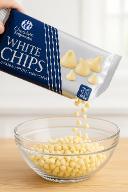
When it comes to creating irresistible desserts, the quality of your ingredients can make all the difference—especially chocolate for baking . Whether you’re whipping up gooey brownies, rich chocolate cakes, or delicate pastries, selecting the right type of chocolate is the key to achieving that perfect taste and texture.
One brand that stands out for delivering exceptional quality is Chocolate Emporium . Known for its premium selection, Chocolate Emporium provides a wide range of baking chocolates that cater to both home bakers and professionals. Their chocolates are crafted to melt smoothly, blend effortlessly, and enhance the flavour of every recipe.
Understanding Chocolate for Baking
Not all chocolate is created equal. Baking chocolate is specifically formulated to withstand heat while maintaining its rich flavour. The most common types include:
- Dark Chocolate – Ideal for brownies and cakes, offering a deep, intense cocoa flavour.
- Milk Chocolate – Sweeter and creamier, perfect for cookies and lighter desserts.
- White Chocolate – Adds a buttery sweetness and works beautifully in cheesecakes and decorative drizzles.
- Unsweetened Chocolate – Best for recipes where you want full control over sugar levels.
Chocolate Emporium offers all these varieties, ensuring you can find the perfect match for your baking needs.
Why Quality Matters
Using high-quality chocolate for baking isn’t just about taste—it also affects texture and appearance. Premium chocolate melts evenly, creating a smooth batter and a glossy finish. Inferior chocolate, on the other hand, can become grainy or overly sweet, ruining the final product.
With Chocolate Emporium, you can count on consistent quality. Their chocolate is carefully sourced and processed to maintain its natural richness, making it a reliable choice for achieving bakery-level results at home.
Tips for Baking with Chocolate
To get the most out of your chocolate, keep these tips in mind:
- Chop evenly : Smaller, uniform pieces melt more consistently.
- Use a double boiler : This prevents overheating and preserves the chocolate’s texture.
- Avoid water contact : Even a small amount can cause chocolate to seize.
- Balance sweetness : Choose the right chocolate type based on your recipe’s sugar content.
By using Chocolate Emporium products, you’ll notice how easily the chocolate melts and blends, saving you time and effort in the kitchen.
Elevate Every Recipe
From classic chocolate chip cookies to indulgent lava cakes, the right chocolate for baking can transform ordinary recipes into extraordinary treats. Chocolate Emporium’s range is designed to inspire creativity, allowing you to experiment with flavours and textures while maintaining professional-quality results.
Final Thoughts
Baking is both an art and a science, and chocolate is at the heart of many beloved recipes. Choosing high-quality chocolate for baking , like the offerings from Chocolate Emporium , ensures your desserts not only taste amazing but also look and feel just right.
So, the next time you step into your kitchen, don’t settle for less—reach for Chocolate Emporium and turn every bake into a masterpiece.
How Chocolate Manufacturing Companies Can Use Stickers for Powerful Branding
By james_here, 2026-03-19
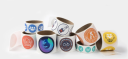
The global chocolate industry thrives on creativity, innovation, and collaboration. Platforms that connect chocolate professionals and manufacturers help the industry share ideas about production, packaging, and branding. While chocolate makers often focus on ingredients and product quality, branding plays an equally important role in attracting customers and building long-term loyalty.
These labels offer chocolate manufacturers a flexible and cost-effective way to enhance packaging, communicate product details, and strengthen brand identity. Whether used by large manufacturers or small artisan brands, stickers can significantly improve how chocolate products stand out in competitive retail and online markets.
Why Branding Matters in the Chocolate Market
Chocolate is one of the most visually competitive categories in the food industry. When customers walk into a store or browse online, they are immediately presented with numerous chocolate options. One simple yet effective branding tool that deserves more attention in this crowded environment is custom stickers on packaging to enhance the chocolate presentation, which often influences purchasing decisions.
Strong branding communicates the personality, values, and quality of a chocolate company. A recognizable brand identity helps customers easily identify products they trust and enjoy. If consumers can quickly recognize a brand on the shelf, they are more likely to choose it again.
Effective chocolate packaging usually includes:
- A recognizable logo
- Consistent colors and design elements
- Packaging that reflects premium quality
- Messaging that highlights cocoa origin or craftsmanship
These types of stickers allow companies to achieve these branding goals without constantly redesigning their entire packaging.
The Role of Stickers in Chocolate Packaging
Customization enables specially designed labels to be applied to chocolate packaging to display brand information and product details. They can be used on chocolate bars, boxes, jars, bags, or shipping packages.
Unlike permanently printed packaging, stickers provide flexibility. Chocolate manufacturers can easily update sticker designs when launching new flavors, limited editions, or seasonal products. This makes stickers especially useful for companies that regularly introduce new varieties.
For example, a brand may use the same packaging box for multiple chocolate flavors while applying different stickers to identify each product. These stickers may include:
- Brand name and logo
- Flavor name or description
- Cocoa percentage
- Certifications such as organic or fair-trade
- QR codes linking to product information
With thoughtful design, these serve as a small but powerful marketing element that improves both product communication and visual appeal.
Branding Benefits
Multiple color combinations for stickers offer several advantages for chocolate manufacturers. One of the biggest benefits is flexibility. Instead of producing completely new packaging for every product variation, companies can simply change the sticker design.
This approach saves production costs, reduces waste, and allows brands to test new product ideas quickly. Stickers also provide opportunities for creative marketing that captures customer attention.
Chocolate companies frequently use them to:
- Introduce new chocolate flavors
- Highlight unique ingredients or cocoa origins
- Promote limited editions or seasonal collections
- Reinforce brand recognition with logos and icons
- Communicate sustainability commitments
Because stickers are affordable and easy to apply, they help brands stay adaptable while maintaining professional packaging.
Improving Product Identification with Stickers
Many chocolate companies offer a wide range of products that vary in cocoa percentage, ingredients, and flavor combinations. Without clear labeling, customers may struggle to quickly identify the chocolate they want.
Stickers provide a simple solution by creating a clear visual system for product identification. Brands often use color coding, icons, or small illustrations to represent different chocolate varieties.
For example, companies may use:
- Different colors for dark, milk, and white chocolate
- Ingredient illustrations such as almonds or berries
- Bold flavor names for easy readability
- Icons indicating dietary features like vegan or dairy-free
These visual cues help customers quickly recognize their preferred products and improve the overall shopping experience.
Seasonal Marketing Opportunities
Chocolate sales increase significantly during holidays and special occasions when people purchase chocolates as gifts. Events like Valentine’s Day, Christmas, Easter, and Halloween create major opportunities for themed products.
Customization allows chocolate companies to adapt their packaging for these occasions without redesigning their entire product line. Instead of printing new boxes, manufacturers can apply festive stickers that instantly transform existing packaging into seasonal gift items.
Seasonal stickers may promote:
- Holiday chocolate collections
- Valentine’s themed products
- Limited seasonal flavors
- Special celebration packaging
- Corporate gifting products
This flexible approach allows brands to experiment with seasonal marketing while keeping production costs manageable.
Strengthening Customer Engagement
Packaging plays an important role in creating memorable experiences for chocolate buyers. Attractive packaging can increase perceived product value and strengthen emotional connections with the brand.
Moreover, these can enhance this experience by incorporating storytelling or interactive elements. Many chocolate brands use stickers to share information about cocoa origins, ethical sourcing practices, or the craftsmanship behind their products.
Stickers can also encourage digital engagement through:
- QR codes linking to brand stories or videos
- Social media handles for customer interaction
- Hashtags that promote brand communities
These features transform simple packaging into a platform for deeper customer engagement.
Supporting Artisan Chocolate Brands
The branded stickers are particularly useful for small and artisan chocolate makers that operate with limited packaging budgets. Large packaging runs can be expensive, making it difficult for smaller businesses to compete visually with large brands.
Stickers provide a practical solution that allows small companies to create professional packaging without major investment. Artisan chocolate brands often use stickers to highlight the qualities that make their products unique, such as:
- Handcrafted or small-batch production
- Single-origin cocoa beans
- Ethically sourced ingredients
- Unique flavor combinations
Through thoughtful sticker design, small chocolate makers can present their products in a way that feels authentic, premium, and appealing.
Sustainable Options
Sustainability is becoming increasingly important in the chocolate industry. Many companies are adopting ethical sourcing practices and environmentally responsible packaging.
Eco-friendly materials for stickers can support these sustainability goals. Modern labeling solutions offer environmentally responsible materials without sacrificing print quality.
Common eco-friendly materials for sticker options include:
- Recycled paper labels
- Compostable adhesives
- Soy-based printing inks
- Biodegradable materials
By choosing sustainable materials stickers, chocolate brands can demonstrate their commitment to environmental responsibility while maintaining attractive packaging.
Conclusion
While product quality is the foundation of a successful brand, packaging and branding are key components that the best online sticker manufacturing company combines with craftsmanship, creativity, and storytelling, which strongly influence how customers perceive chocolate products.
Stickers with the best design offer a simple yet powerful solution for chocolate companies looking to enhance branding and packaging flexibility. They allow manufacturers to highlight flavors, support seasonal marketing, communicate brand values, and create attractive product presentations without major packaging costs.
How to Choose the Best Chocolate Covered Marshmallows for Gifts or Snacking
By thorschocolate, 2026-02-17
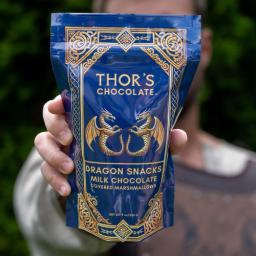
There’s something universally joyful about chocolate covered marshmallows. They combine pillowy softness with rich chocolate in a way that feels both nostalgic and indulgent—perfect for gifting or savoring as a treat.
But not all chocolate-covered marshmallows are created equal. Some feel too chewy, others too sweet, and many lack the balance that makes this classic confection truly memorable.
If you’ve ever wondered how to pick the best chocolate covered marshmallows, you’re in the right place. Choosing the perfect version is about understanding texture, chocolate quality, balance, and how these elements work together to create a snack that’s greater than the sum of its parts.
Here’s a clear guide to what matters most—and why choosing thoughtfully makes all the difference.
1. Start with What Matters Most: Texture
At its best, chocolate covered marshmallows are defined by contrast:
- A marshmallow that’s soft, airy, and springy
- A chocolate coating that snaps, then melts
Too firm a marshmallow can feel gummy. Too soft a coating can turn into a sticky mess. You want marshmallows that are light and buoyant, covered in chocolate that is tempered just right—crisp at first bite, velvety on the tongue.
Great texture isn’t accidental. It comes from selecting a marshmallow with the right moisture content and pairing it with a coating that’s refined and balanced.
2. Quality Chocolate Makes All the Difference
The secret behind truly exceptional chocolate covered marshmallows is the chocolate itself.
Cheap confections often use compound coatings heavy in vegetable fats or sugar. These can feel waxy, overly sweet, or unbalanced against the marshmallow center.
By contrast, premium chocolate delivers depth, richness, and a satisfying melt. Look for:
- Real cocoa butter (not substitutes)
- Chocolate that is smooth and glossy
- A coating that enhances—not overpowers—the marshmallow
That’s why products like Thor’s Dragon Snacks Milk Chocolate Covered Marshmallows stand out: they pair sweet, pillowy marshmallows with real milk chocolate that’s been crafted for flavor and mouthfeel, not just coverage.
3. Sweetness Should Be Balanced, Not Blinding
Some chocolate covered marshmallows are overwhelmingly sugary, leaving the palate dulled rather than delighted.
When choosing the best chocolate covered marshmallows, consider how sweetness is balanced:
- Too much sugar in the chocolate can make the treat cloying
- Too little can make the marshmallow dominate
The ideal combination feels harmonious—sweet, but not sticky; rich, but not heavy. When the milk chocolate coating and marshmallow filling are in tune, every bite feels light yet satisfying.
Thor’s approach ensures that the sweetness supports both components, letting each shine without overwhelming the other.
4. Size and Shape Influence the Experience
It might seem trivial, but size and proportion matter.
A chocolate-covered marshmallow that’s oversized with thick chocolate can be hard to bite cleanly, leading to a messy experience. Tiny bites can feel unsatisfying or disproportionate.
The best chocolate covered marshmallows strike a thoughtful balance:
- Enough chocolate to complement the marshmallow
- Enough softness to make each bite effortless
- A size that feels generous but controlled
This balance turns snacking into a moment worth savoring—whether you’re treating yourself or giving as a gift.
5. Packaging Lets the Experience Begin Before the First Bite
Great confectionery doesn’t stop at flavor—it starts with presentation.
If you’re selecting chocolate covered marshmallows as a gift, consider packaging that:
- Feels special without being fragile
- Protects the chocolates from heat and movement
- Sets the tone for the experience inside
Thoughtful presentation shows that care has gone into both craft and presentation — an important factor when these treats are meant to delight.
Thor’s packaging reflects the same intention found in every bite: premium chocolate, playful design, and a sense of occasion.
6. Versatility: Treats for Every Occasion
One of the joys of chocolate covered marshmallows is their versatility.
They make:
- Elegant dessert board accents
- Sweet gifts for holidays or celebrations
- Upscale campfire companions
- Simple self-indulgences after a long day
When you choose products crafted with quality and balance in mind, you get a treat that fits every moment—from casual snacking to thoughtful gifting.
Why Thor’s Dragon Snacks Milk Chocolate Covered Marshmallows Hit the Mark
If you want the best chocolate covered marshmallows for gifts or snacking, a few key qualities should guide your choice:
- Premium chocolate that melts smoothly and tastes rich
- Light, airy marshmallows that contrast the chocolate perfectly
- Balanced sweetness that enhances—not overwhelms
- Thoughtful size and packaging that elevate the eating experience
Thor’s Dragon Snacks Milk Chocolate Covered Marshmallows excel in all of these areas. They aren’t just candy — they’re a purposefully curated experience where chocolate craftsmanship meets joyful indulgence.
Whether you’re selecting them for yourself or someone special, they represent how thoughtful ingredients and intentional design create snacks that feel elevated and unforgettable.
Choosing Well Means Enjoying Every Bite
Great treats don’t happen by accident. Whether you’re buying chocolate covered marshmallows for a celebration, a care package, or an everyday pleasure, quality matters.
When the marshmallow is soft, the chocolate is real, and the balance is precise—you get delight in every bite.
That’s what the best chocolate covered marshmallows deliver: joy you can taste, from the first crisp snap to the last melt.
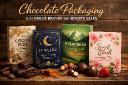
Introduction: The Power of Chocolate Packaging in Buying Decisions
Chocolate is one of the most emotionally driven products in the global food market. People buy chocolate to celebrate, to gift, to reward themselves, or to express appreciation. While taste matters, the buying decision almost always begins with chocolate packaging . Before a customer experiences flavor, aroma, or texture, they experience the packaging visually and physically.
In competitive retail environments and digital marketplaces, packaging is often the deciding factor. A thoughtfully designed chocolate box can instantly convey luxury, sustainability, or indulgence. On the other hand, weak or generic packaging can diminish even the highest-quality chocolate. This is why brands that treat packaging as a strategic asset—rather than an afterthought—consistently outperform competitors.
In this in-depth guide, we explore everything that makes chocolate packaging effective: materials, structure, design psychology, sustainability, customization, and emerging trends. You’ll also discover how Packaging Heights helps chocolate brands create packaging that not only protects products but also builds trust, enhances brand value, and drives sales.
What Is Chocolate Packaging and Why Is It So Important?
Chocolate packaging is the combination of materials, design, structure, and branding elements used to enclose, protect, and present chocolate products. It plays a critical role across the entire product journey—from manufacturing and shipping to retail display and final consumption.
At a functional level, packaging protects chocolate from external factors such as heat, moisture, oxygen, and physical damage. Chocolate is particularly sensitive to temperature changes, which can cause melting, blooming, or texture loss. Effective packaging ensures product integrity until it reaches the consumer.
At a branding level, chocolate packaging communicates quality, personality, and values. Packaging instantly signals whether a product is premium, artisan, mass-market, or eco-conscious. Companies like Packaging Heights design chocolate packaging systems that balance protection, compliance, and brand storytelling in one cohesive solution.
The Psychology Behind Chocolate Packaging
Chocolate packaging strongly influences consumer psychology. Colors, textures, shapes, and finishes all trigger emotional responses that affect purchasing behavior.
Dark tones such as brown, black, and deep red often communicate richness and indulgence. Gold and metallic accents signal luxury and exclusivity. Minimalist packaging with neutral tones may appeal to health-conscious or sustainability-focused buyers.
Texture also plays a major role. Soft-touch coatings, embossed logos, and rigid structures enhance perceived value. When customers physically interact with premium packaging, they subconsciously associate the chocolate with higher quality.
This psychological impact is why brands partner with experts like Packaging Heights , who understand how design choices translate into emotional engagement and stronger conversions.
Primary, Secondary, and Tertiary Chocolate Packaging Explained
Primary Chocolate Packaging
Primary packaging directly touches the chocolate and focuses on preservation and safety. Common materials include:
- Aluminum foil
- Wax paper
- Food-grade biodegradable films
This layer protects against moisture, light, and air while maintaining flavor and freshness.
Secondary Chocolate Packaging
Secondary packaging is the outer layer customers see first. It includes boxes, sleeves, cartons, and wraps. This layer is responsible for branding, messaging, and shelf appeal.
Secondary packaging is where Packaging Heights helps brands stand out through custom structures, premium finishes, and high-quality printing.
Tertiary Packaging
Tertiary packaging is used for shipping and logistics. While not consumer-facing, it ensures chocolates arrive safely during bulk transportation and e-commerce delivery.
Chocolate Packaging Materials: Pros and Cons
Paperboard and Cardboard
Paperboard is one of the most popular chocolate packaging materials due to its versatility and affordability. It allows for excellent print quality and is widely recyclable.
Benefits include:
- Cost efficiency
- Customizability
- Eco-friendly appeal
Rigid Boxes
Rigid boxes are commonly used for luxury and gifting chocolates. They offer superior protection and a premium unboxing experience but come at a higher cost.
Aluminum Foil
Foil is ideal for inner wrapping due to its barrier properties. It prevents oxidation and moisture penetration, preserving chocolate quality.
Plastic and Molded Trays
Plastic trays help hold chocolates in place and prevent breakage. However, many brands are transitioning to recyclable or compostable alternatives.
Sustainable Materials
Sustainability is no longer optional. Kraft paper, recycled board, and compostable films are increasingly favored. According to the Sustainable Packaging Coalition , eco-friendly packaging significantly improves brand trust and customer loyalty.
Chocolate Packaging Design: What Makes It Successful
Brand Consistency
Consistent colors, fonts, and logos help customers recognize your brand instantly. Strong branding across all packaging formats builds long-term loyalty.
Clarity and Compliance
Packaging must clearly display ingredients, allergens, nutritional facts, and expiration dates. Clear communication builds trust and reduces customer hesitation.
Structural Functionality
Good design is not just visual—it must protect the product, stack efficiently, and open easily. Packaging Heights focuses on structural engineering as much as aesthetics.
Sleeve Style Boxes
Sleeve boxes are one of the most commonly used and versatile packaging styles for chocolate products, especially in retail and premium markets. Custom sleeve boxes typically consist of an inner tray or box that holds the chocolate securely, wrapped with an outer printed sleeve that slides over it. This design offers excellent protection while allowing brands to showcase high-quality graphics, colors, and messaging on the sleeve without overcomplicating the structure. Sleeve boxes are popular for chocolate bars, assortments, and gift sets because they provide a clean, modern look and a smooth unboxing experience. They are also cost-effective compared to rigid boxes, lightweight for shipping, and easy to customize in terms of size, material, and finish. For brands working with Packaging Heights , sleeve-style chocolate packaging is an ideal solution to balance visual appeal, functionality, and branding while maintaining strong shelf presence and consumer appeal.
Luxury Chocolate Packaging: Elevating Perceived Value
Luxury chocolate packaging is designed to create an experience rather than simply contain a product. It uses premium materials, refined finishes, and thoughtful details to evoke exclusivity.
Features often include:
- Magnetic closures
- Custom inserts
- Foil stamping and embossing
- Soft-touch lamination
Luxury packaging is especially effective for corporate gifting, holidays, and special editions. Brands that invest in premium packaging often command higher price points and stronger customer loyalty.
Sustainable Chocolate Packaging: Meeting Modern Expectations
Consumers are increasingly aware of environmental impact. Sustainable chocolate packaging appeals to eco-conscious buyers and strengthens brand credibility.
Sustainable strategies include:
- Reducing excess packaging
- Using recycled materials
- Offering biodegradable or compostable options
Organizations like the Ellen MacArthur Foundation emphasize the importance of circular packaging systems to reduce waste and environmental harm.
Packaging Heights helps brands adopt sustainable packaging without sacrificing design or performance.
Custom Chocolate Packaging: Standing Out in a Crowded Market
Custom packaging allows chocolate brands to differentiate themselves in saturated markets. Customization options include size, shape, material, printing, and finishes.
Benefits of custom chocolate packaging:
- Stronger brand identity
- Higher perceived value
- Better shelf visibility
- Increased customer retention
Custom solutions from Packaging Heights are tailored to brand goals, target audiences, and budget requirements.
Chocolate Packaging for Retail, Gifting, and E-Commerce
Retail Packaging
Retail packaging must attract attention quickly while remaining durable and cost-effective. Shelf impact and clarity are key.
Gift Packaging
Gift packaging focuses on emotional appeal. Decorative boxes, ribbons, and premium finishes enhance presentation.
E-Commerce Packaging
E-commerce packaging prioritizes protection and temperature control. Insulated layers and compact designs reduce damage during shipping.
Latest Trends in Chocolate Packaging
Current trends shaping the chocolate packaging industry include:
- Minimalist branding
- Earth-toned color palettes
- Story-driven packaging
- QR codes for traceability
- Smart packaging features
Brands that adopt trends thoughtfully—without losing authenticity—gain a competitive edge.
FAQ: Chocolate Packaging
What is the best packaging for chocolate?
The best packaging combines protective inner layers with branded outer packaging, often using foil and cardboard together.
Why is chocolate packaging important for sales?
Packaging influences first impressions, perceived value, and emotional connection, all of which impact purchasing decisions.
Is sustainable chocolate packaging affordable?
Yes. While initial costs may be slightly higher, long-term brand loyalty and reduced waste often offset expenses.
Can chocolate packaging be fully customized?
Absolutely. Size, material, design, and finishes can all be customized to fit brand needs.
Conclusion: Chocolate Packaging as a Growth Strategy
Chocolate packaging is not just a protective layer—it is a powerful marketing and branding tool. From influencing purchasing decisions to reinforcing brand values, packaging plays a vital role in business success.
By investing in the right materials, thoughtful design, and sustainable practices, chocolate brands can create packaging that resonates with modern consumers. With expert solutions from Packaging Heights , brands can transform chocolate packaging into a competitive advantage that drives trust, loyalty, and long-term growth.
Looking to upgrade your chocolate packaging? Partner with Packaging Heights to create custom, high-impact packaging that protects your product and elevates your brand.
Chocolate Packaging: Complete Guide to Design, Materials, Branding, and Sustainability
By james_here, 2026-01-06
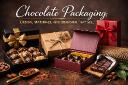
Introduction: The Power of Chocolate Packaging in Today’s Market
Chocolate is one of the most emotionally driven products in the global food industry. People don’t just buy chocolate for hunger; they buy it for joy, gifting, celebration, comfort, and luxury. In such a competitive and emotionally charged market, chocolate packaging plays a decisive role in influencing customer behavior. Before anyone tastes the chocolate, they experience the packaging — visually, tactically, and emotionally.
Modern consumers are exposed to hundreds of chocolate brands across supermarkets, boutique stores, and online platforms. This intense competition means that packaging is no longer just about protection; it is a strategic marketing tool. From color choices and materials to sustainability messaging and unboxing experience, chocolate packaging directly impacts brand perception, trust, and purchase decisions.
In this in-depth guide, you’ll learn everything you need to know about chocolate packaging — from materials and structural design to branding strategies, sustainability trends, and customization options. Whether you are a startup chocolatier or an established brand, this guide will help you create packaging that not only protects your product but also sells it.
What Is Chocolate Packaging?
Chocolate packaging refers to the complete system of materials, structure, and design used to protect, present, and promote chocolate products. It serves multiple purposes across the product lifecycle, including manufacturing, transportation, retail display, and consumption. At its core, chocolate packaging must protect the product from heat, moisture, light, and contamination. Chocolate is highly sensitive to temperature and humidity, which makes proper packaging essential for preserving its texture, flavor, and visual appeal. Beyond protection, packaging communicates essential information such as ingredients, nutritional values, allergens, and expiration dates to ensure transparency and consumer trust. Most importantly, chocolate packaging acts as a silent salesperson—it tells the brand story, reflects quality, and creates emotional appeal. Premium packaging often signals luxury and craftsmanship, while minimalist designs may suggest sustainability or modern values. Blue Box Packaging specializes in delivering high-quality chocolate packaging solutions that combine protection, aesthetics, and branding, helping chocolate brands stand out in competitive retail and gifting markets.
Why Chocolate Packaging Is So Important
Chocolate packaging influences nearly every stage of the buying journey. Its importance goes far beyond aesthetics.
First, packaging ensures product safety and freshness . Poor packaging can result in melting, blooming, or contamination, leading to customer dissatisfaction and returns.
Second, packaging directly affects brand recognition . Consistent colors, typography, and structural design help customers instantly recognize your brand among competitors.
Third, packaging impacts purchasing decisions . Studies show that consumers often choose chocolate based on packaging appeal when price and flavor are similar.
Finally, packaging supports marketing and compliance . It provides space for storytelling, certifications, sustainability claims, and legally required information.
Types of Chocolate Packaging Explained
Chocolate packaging is typically divided into three main categories, each serving a specific function.
Primary Chocolate Packaging
Primary packaging is the layer that comes into direct contact with the chocolate. This layer is critical for food safety and freshness preservation. Common primary packaging materials include aluminum foil, wax paper, parchment paper, and food-grade biodegradable films.
This layer protects chocolate from moisture, oxygen, and odors while maintaining its original taste and texture. Many brands combine foil with paper to balance protection and branding.
Secondary Chocolate Packaging
Secondary packaging is the outer layer that groups and presents chocolates for retail or gifting. This is where branding, design, and visual appeal play the biggest role.
Examples of secondary chocolate packaging include folding cartons, chocolate boxes, sleeves, and paper wraps. This layer is often printed with brand logos, colors, product descriptions, and marketing messages.
Tertiary Packaging
Tertiary packaging is used for bulk handling, shipping, and storage. While consumers rarely see it, this layer is essential for protecting products during transportation.
Common examples include corrugated boxes, shipping cartons, and protective inserts designed for e-commerce fulfillment.
Chocolate Packaging Materials: Choosing the Right Option
Selecting the right packaging material is one of the most important decisions for any chocolate brand. The choice affects cost, sustainability, durability, and customer perception.
Cardboard and Paperboard
Cardboard and paperboard are among the most popular materials for chocolate packaging. They are lightweight, cost-effective, and highly customizable. These materials are easy to print on, allowing for vibrant colors, detailed graphics, and premium finishes.
They are also recyclable, making them a preferred choice for brands focused on sustainability.
Aluminum Foil
Aluminum foil is widely used as inner wrapping for chocolates. It provides an excellent barrier against light, moisture, and oxygen, which helps preserve freshness. Foil is often paired with paper or cardboard for branding purposes.
Plastic Packaging
Plastic trays and wraps offer strong protection and structural stability, especially for molded chocolates. However, due to environmental concerns, many brands are shifting away from traditional plastics toward recyclable or compostable alternatives.
Rigid Boxes
Rigid boxes are commonly used for luxury and gift chocolates. They offer a premium feel, excellent protection, and high perceived value. Although more expensive, rigid boxes are ideal for high-end markets and special occasions.
Sustainable and Eco-Friendly Materials
Sustainable chocolate packaging is increasingly in demand. Popular eco-friendly materials include kraft paper, recycled cardboard, compostable films, and plant-based plastics.
According to the Sustainable Packaging Coalition , consumers are more likely to trust brands that invest in environmentally responsible packaging.
Chocolate Packaging Design: What Makes It Effective
Design is one of the most powerful elements of chocolate packaging. An effective design balances aesthetics, functionality, and brand identity.
Visual Appeal and Branding
Strong visual appeal helps your chocolate stand out on crowded shelves. Effective chocolate packaging design includes consistent brand colors, clear logo placement, and high-quality graphics.
Luxury brands often use minimalist designs with premium finishes such as embossing, foil stamping, or matte coatings to signal quality and exclusivity.
Typography and Content
Typography should be easy to read while reflecting the brand’s personality. Packaging must clearly display product names, flavors, ingredients, and allergen information.
Storytelling elements, such as cocoa origin, ethical sourcing, or brand heritage, help create emotional connections with customers.
Structural and Functional Design
Good chocolate packaging design is not only beautiful but also practical. It should protect chocolates from damage, be easy to open and reseal, and enhance the unboxing experience.
Sustainable Chocolate Packaging: A Key Market Driver
Sustainability is no longer a trend — it’s an expectation. Consumers increasingly look for chocolate brands that align with their environmental values.
Sustainable chocolate packaging reduces waste, lowers carbon footprint, and builds long-term brand trust. Brands adopting eco-friendly practices often gain a competitive advantage.
Sustainable Packaging Strategies
- Reducing packaging material
- Using recyclable or compostable materials
- Avoiding unnecessary plastic
- Printing with soy-based or water-based inks
- Designing reusable packaging
According to the Ellen MacArthur Foundation , sustainable packaging supports circular economy principles and improves brand loyalty.
Chocolate Packaging for Different Markets
Retail Chocolate Packaging
Retail packaging must attract attention quickly while remaining cost-efficient. Shelf visibility, durability, and compliance labeling are critical factors.
Gift Chocolate Packaging
Gift packaging focuses on emotional appeal and presentation. Rigid boxes, magnetic closures, custom inserts, and premium finishes are commonly used to elevate perceived value.
E-commerce Chocolate Packaging
Online chocolate packaging must protect products during shipping while minimizing cost. Heat resistance, shock protection, and compact design are essential.
Premium Chocolate Boxes
Luxury boxes used for chocolates are designed to do more than just hold a product—they create an experience that reflects elegance, quality, and exclusivity. These boxes are typically made from premium materials such as rigid cardboard, specialty paper, or textured finishes that offer durability and a high-end feel. Design elements like foil stamping, embossing, debossing, magnetic closures, and soft-touch laminations enhance the visual and tactile appeal, making the chocolates feel more valuable before the box is even opened. Luxury boxes are commonly used for gifting, special occasions, and premium retail displays because they evoke emotion and sophistication. By combining refined aesthetics with strong protection, luxury chocolate packaging helps brands communicate craftsmanship, justify premium pricing, and leave a lasting impression on customers.
Custom Chocolate Packaging: Building a Strong Brand Identity
Custom chocolate packaging allows brands to stand out in a crowded marketplace. Customization enables unique designs, tailored box sizes, and finishes that align with brand identity.
Benefits of custom chocolate packaging include increased brand recognition, stronger emotional connections, and higher perceived value.
Customization options include box shape, printing techniques, inserts, finishes, and closure styles.
Chocolate Packaging Trends Shaping the Industry
The chocolate packaging industry continues to evolve with changing consumer preferences. Current trends include minimalist design, sustainable materials, bold typography, storytelling elements, and smart packaging features like QR codes.
Brands that adapt to these trends while staying authentic are more likely to succeed in competitive markets.
FAQs
What is the best packaging material for chocolate?
The best material depends on your product type and market. A combination of foil for protection and cardboard for branding is widely used.
Why is chocolate packaging important for branding?
Packaging is often the first interaction customers have with your brand. It communicates quality, values, and positioning.
Is sustainable chocolate packaging expensive?
While initial costs may be higher, sustainable packaging often leads to long-term savings and stronger customer loyalty.
Can chocolate packaging be fully customized?
Yes, brands can customize materials, size, design, finishes, and structure to match their identity.
Conclusion: Chocolate Packaging as a Strategic Investment
Chocolate packaging is far more than a protective layer — it is a strategic investment in your brand’s success. From protecting delicate products to influencing purchasing decisions and building trust, packaging plays a central role in the chocolate industry.
By choosing the right materials, investing in thoughtful design, and embracing sustainability, brands can create packaging that resonates with customers and stands out in a crowded market.
Ready to elevate your chocolate brand? Explore premium and custom chocolate packaging solutions with Blue Box Packaging and turn every chocolate into a memorable experience.
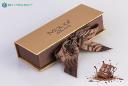
In the world of luxury chocolates, packaging plays a critical role in both product preservation and brand perception. A rigid box has emerged as a popular choice for packaging chocolates due to its premium look, durability, and customization potential. Whether for gifting or retail presentation, a rigid box adds sophistication and value to chocolate products. This article explores the advantages, design trends, and customization options of rigid boxes for chocolates, helping businesses make informed packaging decisions.
16 Wishes Candles rigid boxes
The 16 Wishes Candles uses premium rigid boxes to elevate the unboxing experience, combining elegance with durability. The 16 Wishes Candle Boxes are designed with custom finishes and sturdy construction, making them ideal for gifting. Each rigid box reflects the brand’s charm, protecting delicate candles while enhancing visual appeal.
What Is a Rigid Box?
A rigid box is a type of high-end packaging made from thick paperboard, usually 1.2 to 3 mm in thickness. Unlike folding cartons, which can be collapsed, rigid boxes are non-collapsible and maintain their shape. This makes them more durable and ideal for protecting delicate items like chocolates.
Rigid boxes are commonly used in luxury product sectors such as cosmetics, electronics, and, increasingly, in the confectionery industry. Their sturdy construction and upscale appearance make them perfect for premium chocolate packaging.
Benefits of Using Rigid Boxes for Chocolates
1. Superior Protection
Chocolates are sensitive to temperature, humidity, and physical impact. A rigid box provides excellent structural strength, preventing damage during transit or shelf display. This durability ensures that chocolates reach consumers in perfect condition, preserving taste and appearance.
2. Enhanced Brand Image
Luxury packaging is a key driver of brand perception. A rigid box enhances the unboxing experience and conveys a sense of elegance and quality. Brands that use rigid boxes for chocolates can effectively position themselves as premium or artisanal.
3. Customization Options
One of the greatest advantages of a rigid box is its customizability. Businesses can tailor size, shape, color, finishes, and printing styles to align with their brand identity. Embossing, foil stamping, UV coating, and custom inserts can elevate the packaging further, offering a tactile and visual appeal that resonates with customers.
4. Sustainability
Many rigid boxes are made from recyclable or biodegradable materials. Chocolate brands that prioritize eco-friendliness can opt for sustainable rigid box solutions without compromising on style or quality. Reusable rigid boxes also appeal to environmentally conscious consumers.
5. Gifting Appeal
Chocolates are often purchased as gifts, and presentation matters. A beautifully designed rigid box enhances the value of the product, making it more attractive for occasions like Valentine’s Day, birthdays, weddings, and corporate gifting. The rigid box can be reused by recipients, extending brand visibility beyond the initial purchase.
Popular Rigid Box Styles for Chocolates
1. Two-Piece Boxes (Lid and Base)
This is the most common rigid box style for chocolates. The base holds the chocolates while the lid snugly fits over it. It offers a classic, elegant look and can be adorned with ribbons or seals for a luxurious finish.
2. Magnetic Closure Boxes
Magnetic closure rigid boxes are favored for high-end chocolates. The built-in magnets provide a seamless opening and closing experience, enhancing usability and perceived value. They often feature premium finishes like velvet or matte lamination.
3. Drawer Boxes (Slide Boxes)
Drawer-style rigid boxes offer a unique unboxing experience. A ribbon or tab allows the customer to pull the drawer out, revealing the chocolates inside. This style is ideal for assortments or limited-edition collections.
4. Window Boxes
Some rigid boxes include a transparent window made from PET or acetate, allowing customers to see the chocolates inside. This combines protection with product visibility, encouraging impulse purchases.
5. Compartmentalized Boxes
For assortments or collections, a rigid box with internal compartments or trays helps organize chocolates neatly. This not only improves presentation but also prevents cross-contamination of flavors.
Materials Used in Rigid Chocolate Boxes
The primary material used in a rigid box is greyboard or chipboard, typically covered with printed or textured paper for aesthetics. Here are some common materials:
-
Greyboard/Chipboard: Core structure of the box, offering rigidity.
-
Art Paper: Used for wrapping the box, printable and smooth.
-
Textured Paper: Adds tactile elegance (e.g., linen, kraft, leatherette).
-
Laminates: Protects the surface and adds finishes (gloss, matte, soft-touch).
Eco-friendly alternatives are also available, such as recycled paper and biodegradable laminates, which align with green branding strategies.
Custom Printing and Finishing Techniques
Printing and finishing options can significantly influence the final look of a rigid box . Popular techniques include:
-
Offset Printing: Delivers high-resolution graphics for branding.
-
Foil Stamping: Adds a metallic effect for logos or design elements.
-
Embossing/Debossing: Creates a raised or recessed texture for visual and tactile appeal.
-
Spot UV: Highlights specific parts of the design with a glossy finish.
-
Soft-Touch Lamination: Provides a velvet-like feel, enhancing luxury.
These customizations allow brands to create memorable unboxing experiences, which is crucial for premium chocolate products.
Design Tips for Rigid Chocolate Boxes
-
Align with Brand Identity: Ensure the color, typography, and design elements reflect your brand’s personality—whether that’s luxurious, fun, romantic, or organic.
-
Consider the Occasion: Design seasonal or holiday-themed rigid box variants to boost festive sales.
-
Include Inserts: Molded trays or dividers help chocolates stay in place and enhance presentation.
-
Use Storytelling: Incorporate brand or product stories inside the lid or on the exterior to engage customers emotionally.
-
Prioritize Functionality: While aesthetics matter, ensure the box is easy to open, close, and store.
Market Trends in Rigid Box Packaging for Chocolates
1. Sustainable Packaging
Consumers increasingly favor eco-conscious brands. Chocolatiers are adopting recyclable rigid box designs with minimal plastic, vegetable inks, and compostable materials to reduce their environmental footprint.
2. Personalization
Custom-printed names, messages, or even QR codes that link to personalized video messages are becoming popular, especially for gifts.
3. Luxury Minimalism
Less is more in modern design. Simple, elegant boxes with monochrome palettes and minimal branding speak volumes and appeal to sophisticated buyers.
4. Multi-Sensory Packaging
Beyond visuals, tactile and auditory elements like textured paper or magnetic closures enhance the sensory appeal of a rigid box , creating a more immersive brand experience.
5. Smart Packaging
Technology is entering packaging with QR codes, NFC chips, and AR experiences that provide product information or interactive content, especially in luxury markets.
Cost Considerations
While a rigid box is more expensive than standard packaging options, the return on investment is notable:
-
Higher perceived product value
-
Increased gift purchases
-
Better brand differentiation
-
Stronger customer loyalty
To control costs, businesses can bulk order, simplify design elements, or choose standard box sizes instead of fully custom dimensions.
Chocolate Covered Strawberries rigid boxes
Chocolate Covered Strawberries are elegantly packaged in high-quality rigid boxes that ensure freshness and protection. The strawberry boxes are design and luxurious finish. Perfect for special occasions, the rigid box adds value, keeping the strawberries secure and visually appealing during delivery or display.
Conclusion
The use of a rigid packaging for chocolates goes beyond simple packaging—it enhances brand value, protects delicate products, and creates a premium experience that customers remember. With its elegant design, customization potential, and sustainable options, the rigid box is an ideal choice for chocolatiers aiming to stand out in a competitive market.
As consumer expectations grow and the importance of presentation increases, investing in well-designed rigid boxes can significantly elevate your chocolate brand’s market presence. Whether you’re launching a new line or upgrading your existing packaging, a rigid box offers the durability, style, and impact your chocolates deserve.

Open For New Member Signups ...
A NEW Classifieds Forum has been added where you can post items for sale or wanted.
If you notice that some parts of the site are not working as you’d expect, please let me know by posting in Forum FAQ’s » Bug Reports
Please visit TheChocolateLife.com for all the latest from ChocolateLife founder Clay Gordon and sign up to be a member there, too .
If you want to support the work I do with a one-time donation , click here .
:: Clay
PS — ALL of the archived content from 2008 to 2017 is still here.

Enjoy a delicious premium chocolate from the Boyacá region of Colombia, considered among the best in the world. We offer a 200 kilograms lot of pure origin cocoa liquor, fair trade / ethically sourced. No other ingredients added.
The price for this high quality product is as follows:
1 kg - US$ 13
100 kg - US$ 12 per kilo
200 kg - US$ 11 per kilo
Inquires: equalcolombia@gmail.com