

Recently Rated:
How Chocolate Manufacturing Companies Can Use Stickers for Powerful Branding

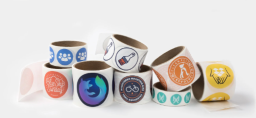
The global chocolate industry thrives on creativity, innovation, and collaboration. Platforms that connect chocolate professionals and manufacturers help the industry share ideas about production, packaging, and branding. While chocolate makers often focus on ingredients and product quality, branding plays an equally important role in attracting customers and building long-term loyalty.
These labels offer chocolate manufacturers a flexible and cost-effective way to enhance packaging, communicate product details, and strengthen brand identity. Whether used by large manufacturers or small artisan brands, stickers can significantly improve how chocolate products stand out in competitive retail and online markets.
Why Branding Matters in the Chocolate Market
Chocolate is one of the most visually competitive categories in the food industry. When customers walk into a store or browse online, they are immediately presented with numerous chocolate options. One simple yet effective branding tool that deserves more attention in this crowded environment is custom stickers on packaging to enhance the chocolate presentation, which often influences purchasing decisions.
Strong branding communicates the personality, values, and quality of a chocolate company. A recognizable brand identity helps customers easily identify products they trust and enjoy. If consumers can quickly recognize a brand on the shelf, they are more likely to choose it again.
Effective chocolate packaging usually includes:
- A recognizable logo
- Consistent colors and design elements
- Packaging that reflects premium quality
- Messaging that highlights cocoa origin or craftsmanship
These types of stickers allow companies to achieve these branding goals without constantly redesigning their entire packaging.
The Role of Stickers in Chocolate Packaging
Customization enables specially designed labels to be applied to chocolate packaging to display brand information and product details. They can be used on chocolate bars, boxes, jars, bags, or shipping packages.
Unlike permanently printed packaging, stickers provide flexibility. Chocolate manufacturers can easily update sticker designs when launching new flavors, limited editions, or seasonal products. This makes stickers especially useful for companies that regularly introduce new varieties.
For example, a brand may use the same packaging box for multiple chocolate flavors while applying different stickers to identify each product. These stickers may include:
- Brand name and logo
- Flavor name or description
- Cocoa percentage
- Certifications such as organic or fair-trade
- QR codes linking to product information
With thoughtful design, these serve as a small but powerful marketing element that improves both product communication and visual appeal.
Branding Benefits
Multiple color combinations for stickers offer several advantages for chocolate manufacturers. One of the biggest benefits is flexibility. Instead of producing completely new packaging for every product variation, companies can simply change the sticker design.
This approach saves production costs, reduces waste, and allows brands to test new product ideas quickly. Stickers also provide opportunities for creative marketing that captures customer attention.
Chocolate companies frequently use them to:
- Introduce new chocolate flavors
- Highlight unique ingredients or cocoa origins
- Promote limited editions or seasonal collections
- Reinforce brand recognition with logos and icons
- Communicate sustainability commitments
Because stickers are affordable and easy to apply, they help brands stay adaptable while maintaining professional packaging.
Improving Product Identification with Stickers
Many chocolate companies offer a wide range of products that vary in cocoa percentage, ingredients, and flavor combinations. Without clear labeling, customers may struggle to quickly identify the chocolate they want.
Stickers provide a simple solution by creating a clear visual system for product identification. Brands often use color coding, icons, or small illustrations to represent different chocolate varieties.
For example, companies may use:
- Different colors for dark, milk, and white chocolate
- Ingredient illustrations such as almonds or berries
- Bold flavor names for easy readability
- Icons indicating dietary features like vegan or dairy-free
These visual cues help customers quickly recognize their preferred products and improve the overall shopping experience.
Seasonal Marketing Opportunities
Chocolate sales increase significantly during holidays and special occasions when people purchase chocolates as gifts. Events like Valentine’s Day, Christmas, Easter, and Halloween create major opportunities for themed products.
Customization allows chocolate companies to adapt their packaging for these occasions without redesigning their entire product line. Instead of printing new boxes, manufacturers can apply festive stickers that instantly transform existing packaging into seasonal gift items.
Seasonal stickers may promote:
- Holiday chocolate collections
- Valentine’s themed products
- Limited seasonal flavors
- Special celebration packaging
- Corporate gifting products
This flexible approach allows brands to experiment with seasonal marketing while keeping production costs manageable.
Strengthening Customer Engagement
Packaging plays an important role in creating memorable experiences for chocolate buyers. Attractive packaging can increase perceived product value and strengthen emotional connections with the brand.
Moreover, these can enhance this experience by incorporating storytelling or interactive elements. Many chocolate brands use stickers to share information about cocoa origins, ethical sourcing practices, or the craftsmanship behind their products.
Stickers can also encourage digital engagement through:
- QR codes linking to brand stories or videos
- Social media handles for customer interaction
- Hashtags that promote brand communities
These features transform simple packaging into a platform for deeper customer engagement.
Supporting Artisan Chocolate Brands
The branded stickers are particularly useful for small and artisan chocolate makers that operate with limited packaging budgets. Large packaging runs can be expensive, making it difficult for smaller businesses to compete visually with large brands.
Stickers provide a practical solution that allows small companies to create professional packaging without major investment. Artisan chocolate brands often use stickers to highlight the qualities that make their products unique, such as:
- Handcrafted or small-batch production
- Single-origin cocoa beans
- Ethically sourced ingredients
- Unique flavor combinations
Through thoughtful sticker design, small chocolate makers can present their products in a way that feels authentic, premium, and appealing.
Sustainable Options
Sustainability is becoming increasingly important in the chocolate industry. Many companies are adopting ethical sourcing practices and environmentally responsible packaging.
Eco-friendly materials for stickers can support these sustainability goals. Modern labeling solutions offer environmentally responsible materials without sacrificing print quality.
Common eco-friendly materials for sticker options include:
- Recycled paper labels
- Compostable adhesives
- Soy-based printing inks
- Biodegradable materials
By choosing sustainable materials stickers, chocolate brands can demonstrate their commitment to environmental responsibility while maintaining attractive packaging.
Conclusion
While product quality is the foundation of a successful brand, packaging and branding are key components that the best online sticker manufacturing company combines with craftsmanship, creativity, and storytelling, which strongly influence how customers perceive chocolate products.
Stickers with the best design offer a simple yet powerful solution for chocolate companies looking to enhance branding and packaging flexibility. They allow manufacturers to highlight flavors, support seasonal marketing, communicate brand values, and create attractive product presentations without major packaging costs.
