
Blogs
I recommend chocolate makers to purchase any type of chocolate melanger
In our chocolate making process we improved on making the chocolate by peeling the cacao beans easier than the 1st time we did it. This helped us because this minimized the mess we made from the 1st batch when we tried to peel the cacao beans. This ended up giving us a faster batch of chocolate to make. But other than that the chocolate came out tasting good on each batch.
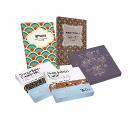
Chocolate is something which is loved by one and all across the globe, regardless of any national or international boundaries and it is difficult to resist gorging on whenever seen. This delicious stuff is available in a huge variety like bars, mix flavors, praline, assorted, couture, among others and their taste can be enhanced using ingredients such as cheese, olives, dry fruits, coffee and more.
Although simpler, chocolates are ideal to make any special occasion even more memorable and wonderful. Nowadays, chocolates also serve as a gift for different festivals in different cultures all through the year. Whether it is a graduation party, baby shower, birthday party, wedding reception, Christmas celebration, promotion or any other occasion, you will come across a lot of online chocolate gift stores around the world, offering a wide range of chocolate varieties to pick from.
Check out the 3 big reasons why gifting chocolate box is an ideal option
Chocolate is a sign of love
You will hardly hear someone saying that he/she does not like chocolates. Chocolates are the most delighting treats under the sun that can boost your mood the moment you see it. Be it hot cocoa, nuts, truffle, milk chocolate or a dark one, in any form, it only expresses desire, love, and indulgence in every bite. Also, there are several ideas and designs to personalize on how you wish to present your chocolate box gift , which makes it a unique way of symbolizing your love and appreciation for your dear ones.
Chocolate indicates luxury
A neat and creative artwork packing of a chocolate box is always attractive compared to any other gift article. They are a cost-effective yet upmarket option, which would create an impression that you keep pace with the changing times. Moreover, it is also observed that you might get confused or mess up with the quality and presentation of some other gift, during the festive season, but with chocolates, you do not have to bother about it.
Chocolate is good for health
Even scientifically, it is proven that dark chocolates reduce anxiety and improve serotonin secretion that elevates mood and improves mental well-being. Also, eating certain dark chocolates prevents heart diseases, diabetes, joint problems, allergies and pre-menstrual tension. In many cases, chocolates help in shedding weight as they are a good source of rich antioxidants, sea salts, omega 3 and other multivitamins.
To Conclude
Hence, it is a wise choice to buy chocolate boxes online to present special ones as they look good, make you feel good and very importantly, they taste good. Also, next time when you are thinking of a fantastic gift for your kith and kin, try to think of buying a chocolate box and getting it delivered without trouble and it will certainly make their day.
With our hands we cracked off the skin around the cacao bean. A lot of that was just boring and awful but the smells were a very non sweet, almost a peanut smell. than we seperated the shell from the brown bean.
What we did was that we put beans in the oven and roasted the chocolate.
But the process of us peeling the chocolate was that we peeled the beans by cracking the beans and making sure we did that to every bean we made. The challenges we had when we were peeling the chocolate was that the beans were alittle hard to crack and peel. Some beans were easy to peel and some beans were hard to peel. But at the end of the day we succeeded by completing all the beans.
While we was roasting the cacao beans the challenge for us was to make sure that there was no remaning shells in the bowl of beans.But at the end of the day we succeeded by making sure that all the beans were roasted and done
While we was winnowing the beans, we had to make sure that we did it safely and good enough so that the beans can be ready and we had to make sure that we did it clean and neatly.We succeeded by doing this process clean and neatly and made sure that the beans were ready for the next phase.
Grinding the cacao beans was a process that took team work and it also took alot of dedication.The challenges of us grinding the cacao beans was that we had to make sure that we kept a consistant motion while we were grinding the beans, the beans were a little hard to grind but at the end of the day we succeeded in making sure that the beans were in a good condition before we put them in the melanger. The process of us grinding the cacao beans took a bout a couple of minutes before we knew that everything was grinded properly.
The challenges of us putting the cacao beans in the melanger was that we had to make sure that the beans were properly done before we put them in the melanger.Another challenge was that, we had to make sure that the cacao beans didn't make a mess when we was putting them in the melanger. But still at the end of the day we made sure that the cacao were put in the melanger safely and in an organized way so that the chocolate can come out nice and ready to eat.This whole process took us about 15 minutes.
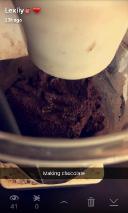
Yesterday , My Team and I Put the chocolate on a hot plate and we used a blow-dryer to heat up the chocolate. It pretty much took us the whole class to heat up the chocolate and then put the chocolate in the melanger. The early steps that we did where cracking the beans and it was kinda difficult but we tried the blow dryer thing. That is where we smashed the beans and then put them in a bowl and Blow dried it an hoping the shells would fly out. Then we did the grinding step and thats where we but the beans in the blender and turn the beans to a liquid type but in our case it was like a dough.
We are a group of highschoolers who have found an interest in the background of making chocolate. We choose to take a class that is teaching us about chocolate an the background on it. Our first week of school we learned about what chocolate was and the history behind it. The we learned about how it was made and the different steps that come with it. The second week we made our company's and then started to make our first batch. So far, things have been running smoothly, but we did have some troubles when it came to winnowing but we found a way. Right now, we are waiting to heat the chocolate to turn it into a smoother texture because it had turned into a dough so then we can melange. We plan to try and get that step done by the end of today.
Hello, our chocolate group is called the Cacao Eagles. We are working to make chocolate and learn more about chocolate. Our group is dedicated on doing good things with chocolate.
My prior knowledge about chocolate is that chocolate is one of my favorite candies. I also know that there are different types of chocolates. Another thing that interest me is how chocolate can be healthy and unhealthy at times. Also making chocolate is hard work and takes a lot of dedication.
My group knows about that the cacao trade is a tree that relates to chocolate
The stage we are at right now in the chocolate making process right now is actually making the chocolate and tasting it a little bit.
we haven't had any problems when we were making the chocolate.
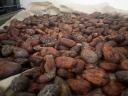
A few days ago we roasted our cacao beans at about 270 degrees and let them sit out we weighed and measured all the beans. We have gotten to the stage of cracking and winnowing and none of us realized how difficult it actually is to crack the beans and crush the nibs up.